LAGOS, NIGERIA — Nigerian businesses are facing a growing opportunity to reach customers online as social commerce, digital marketplaces, search engines and business-owned websites reshape how products and services are discovered and purchased.
New consumer research highlights the importance of social platforms in this shift. According to findings from DHL eCommerce’s 2026 E-Commerce Trends Report, reported by BusinessDay in July 2026, 86% of surveyed Nigerian shoppers used Facebook to buy, 64% used Instagram and 56% used TikTok. The figures point to the growing role of social media in the online shopping journey.
However, being present on a popular platform does not automatically translate into sales. Businesses must also reach the right audience, communicate value clearly, build customer trust, provide convenient payment and delivery options, and make it easy for interested buyers to complete a purchase.
This is where choosing the right sales platforms—and developing a strategy to connect them—becomes essential.
NaijaTraffic, a Nigerian digital marketing agency, helps businesses strengthen their online visibility through services including search engine optimisation (SEO), Google Ads, website development, content marketing and social media marketing. Its approach is relevant to businesses that want to turn digital attention into measurable sales opportunities rather than simply accumulate views and followers.
What Are the Best Platforms to Boost Online Sales in Nigeria?
The best platforms depend on what a business sells, who its customers are and how those customers prefer to buy. For many Nigerian businesses, the most useful options include:
- Google Search and Google Ads for reaching people actively searching for products and services.
- Facebook and Instagram for product discovery, visual promotion, audience engagement and social selling.
- TikTok for short-form video, product demonstrations and discovery-led marketing.
- WhatsApp Business for customer conversations, enquiries, order coordination and follow-up.
- Jumia and Konga for businesses seeking access to established online marketplaces.
- A business-owned website or online store for building a direct sales channel and controlling the customer experience.
These platforms serve different purposes. Marketplaces can expose products to shoppers already browsing for items to buy, while social media can introduce products to new audiences. Search engines can capture existing demand, and a business-owned website can provide a central place to explain an offer, collect enquiries and complete transactions.
For businesses that want to grow sustainably, the goal should not be to appear everywhere at once. It should be to choose the channels that best match their customers and connect those channels to a reliable buying process.
1. Google Search and Google Ads: Reach Customers Who Are Ready to Buy
Google is an important channel for businesses whose potential customers actively search for solutions online.
Someone searching for a product, professional service or supplier may already have a clear purchasing need. Businesses that appear for relevant searches can reach people at a moment when they are comparing options or preparing to make a decision.
There are two main ways to build visibility on Google.
Search engine optimisation (SEO)
SEO helps a website compete for relevant organic search results. It involves improving website structure, service and product pages, useful content, technical performance and other factors that help search engines understand the site.
For example, a Nigerian company selling office furniture may want to appear when businesses search for office desks, office chairs or furniture suppliers in their location.
SEO can create a long-term source of relevant traffic, although progress depends on competition, website quality, content, authority and other factors.
Google Ads
Google Ads allows businesses to advertise against relevant searches and other targeting criteria. It can be useful when a business wants to promote a specific product, service or offer to people who are actively looking for a solution.
Campaign performance depends on keyword selection, advertising costs, landing-page relevance, the strength of the offer and how well enquiries are handled.
Where NaijaTraffic fits: NaijaTraffic offers SEO and Google Ads services designed to improve online visibility and help businesses attract relevant visitors. Businesses can explore its SEO and digital marketing services and PPC advertising service when planning a search-led sales strategy.
2. Facebook: A Major Opportunity for Social Commerce
Facebook remains an important platform for Nigerian businesses looking to promote products, build communities and interact with potential customers.
Its reach can be useful for retailers, service providers, wholesalers and businesses whose customers discover products through recommendations, groups, posts and advertisements.
Businesses can use Facebook to:
- Showcase products and services.
- Publish customer education content.
- Share offers and promotions.
- Answer questions and handle enquiries.
- Run targeted advertising campaigns.
- Retarget suitable audiences where the relevant tools and permissions are available.
But sales performance depends on more than posting regularly. Product information should be clear, prices and terms should be easy to understand, and customers should know how to order, pay and receive their purchases.
Businesses should also avoid relying entirely on a social account as their only sales channel. Account access, platform rules and changing reach can affect how reliably a business reaches its audience.
3. Instagram: Turn Visual Discovery Into Sales
Instagram can be valuable for brands whose products are best presented through photographs, video and visual storytelling.
Fashion, beauty, food, lifestyle, home décor and other visually driven businesses may use Instagram to demonstrate products, show how items are used, publish customer experiences and direct interested buyers towards an ordering process.
To improve sales potential, businesses should focus on:
High-quality product presentation: Use clear images and videos that show what customers are buying.
Useful captions: Explain features, benefits, prices where appropriate, and how to order.
Trust-building content: Publish authentic customer feedback and demonstrations, with permission where needed.
Clear calls to action: Tell customers whether to visit a website, send a message, request a quotation or complete an order.
Paid promotion: Where suitable, use advertising to reach relevant audiences and measure resulting enquiries or purchases.
Instagram works best when content is supported by a dependable process for answering questions, checking stock, accepting payment and fulfilling orders.
4. TikTok: Use Short-Form Video to Increase Product Discovery
TikTok offers businesses an opportunity to introduce products and services through short videos, demonstrations, tutorials, behind-the-scenes content and creator collaborations.
Its discovery-driven format can help a business reach people who may not already follow the brand. A compelling demonstration can communicate a product’s usefulness more quickly than a conventional promotional message.
Businesses can test content such as:
- Product demonstrations and comparisons.
- Answers to frequently asked customer questions.
- Behind-the-scenes videos.
- Tutorials that solve a relevant problem.
- Customer stories and authentic reviews.
- Short explanations of how a service works.
A video receiving many views is not necessarily a sales success. Businesses should track whether content leads to relevant profile visits, website clicks, enquiries, orders or other meaningful actions.
Platform commerce features and availability can differ by country, account and product category. Nigerian businesses should verify which selling and checkout options are currently supported for their accounts rather than assume every feature is available locally.
5. WhatsApp Business: Convert Enquiries Into Orders
For many Nigerian businesses, WhatsApp is a practical channel for communicating with interested customers.
A potential buyer may want to confirm a price, ask about availability, request more details, negotiate a delivery arrangement or speak with someone before making a payment. WhatsApp Business can support these conversations and help businesses manage enquiries more systematically.
Useful features and practices include:
- A complete business profile.
- Product or service catalogues where appropriate.
- Saved replies for common questions.
- Labels to organise customer conversations.
- Clear order and payment instructions.
- Prompt, professional follow-up.
- Permission-based customer communication.
Businesses should establish a consistent process for handling enquiries so that prospective buyers do not have to wait unnecessarily for answers.
WhatsApp is particularly useful as part of a wider sales journey: a customer may discover a product on Instagram, visit a website for more information and then use WhatsApp to ask a question before ordering.
6. Jumia and Konga: Reach Shoppers Through Online Marketplaces
Online marketplaces offer businesses another way to sell products without having to attract every shopper independently.
Jumia and Konga provide established shopping environments where consumers can browse product categories and compare sellers. For suitable businesses, marketplace listings can create additional opportunities to reach people who are already looking to buy.
Before choosing a marketplace, sellers should consider:
- Product-category requirements and seller eligibility.
- Commission, fulfilment and other applicable fees.
- Product listing quality and photography.
- Pricing and competition.
- Delivery requirements and customer service.
- Returns, cancellations and seller policies.
- Access to customer and sales performance data.
Marketplaces can be useful for product discovery, but sellers should understand the trade-offs. They operate under platform rules, place products alongside competitors and may limit a seller’s control over the customer relationship.
For businesses building a recognisable brand, a marketplace can complement rather than replace an owned website and other direct customer channels.
7. Your Own Website or Online Store: Build a Sales Channel You Control
A business website gives a company greater control over how its products and services are presented, how its brand is communicated and how customers move towards a purchase or enquiry.
Depending on the business model, a website can support product catalogues, online payments, appointment bookings, quotation requests, service enquiries and direct sales.
An effective website should make it easy for visitors to understand:
- What the business sells.
- Who the product or service is for.
- What makes the offer valuable.
- How much it costs, or how to request pricing.
- Whether delivery, collection or remote service is available.
- How to complete a purchase or contact the business.
Mobile usability is especially important because many customers discover and browse products on smartphones.
A website also creates a destination for traffic from Google, social media, email campaigns and paid advertising. Instead of sending every visitor to a general profile, businesses can direct people to a specific product page, service page or landing page that matches their needs.
Where NaijaTraffic fits: NaijaTraffic provides website design and development services focused on creating mobile-friendly digital experiences that communicate value and encourage visitors to take action.
8. Email Marketing: Encourage Repeat Purchases and Recover Opportunities
Online sales do not always happen on the first visit. Some customers need more information, while others may return when they are ready to buy.
Email marketing can help businesses maintain relationships with people who have opted in to receive communications. Depending on the business, emails may include product updates, useful advice, new offers, reminders and post-purchase information.
A well-planned email strategy can help businesses:
- Follow up with interested prospects.
- Introduce relevant products and services.
- Encourage repeat purchases.
- Share useful information with existing customers.
- Measure clicks and conversions from campaigns.
Email should be relevant and respectful. Businesses should use appropriate consent practices, make it easy for recipients to unsubscribe and avoid sending irrelevant messages simply to increase campaign volume.
Why Being on Multiple Platforms Is Not Enough
Having accounts on Google, Facebook, Instagram, TikTok, WhatsApp and online marketplaces may increase the number of ways customers can discover a business. However, managing these channels separately without a clear strategy can waste time and marketing budget.
A business might receive substantial social engagement but few orders because its prices are unclear. Another may attract website visitors but lose potential customers because its page loads slowly or the enquiry form is difficult to complete.
The problem may not be the platform. It may be the journey between discovering the business and completing a purchase.
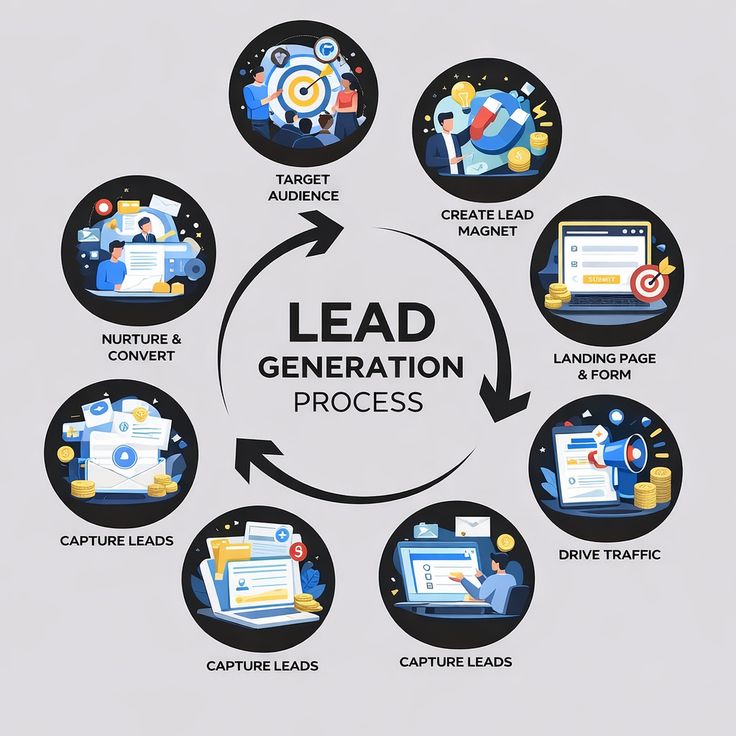
A more effective approach connects five elements:
- Discovery: Help the right audience find the business through search, social media, marketplaces or advertising.
- Relevance: Show customers the product, service or information that matches their needs.
- Trust: Provide clear details, genuine reviews, transparent terms and credible brand information.
- Conversion: Make it simple to buy, pay, book or submit an enquiry.
- Retention: Follow up appropriately, deliver a good customer experience and encourage repeat business.
This is where digital marketing strategy becomes important. It helps a business identify which channels deserve attention and how each channel should contribute to the overall sales objective.
How NaijaTraffic Helps Businesses Get More Value From Online Sales Platforms
NaijaTraffic is a Nigerian digital marketing agency focused on helping businesses improve visibility, reach relevant audiences and turn digital attention into business opportunities.
Its services support several of the activities businesses need when building an online sales strategy.
SEO for sustainable search visibility
NaijaTraffic helps businesses optimise their digital presence so that relevant customers have a better opportunity to discover their products and services through search.
Google Ads for targeted campaigns
Paid advertising can help businesses promote specific offers and reach potential customers through relevant searches. Campaigns should be evaluated using qualified enquiries, conversions and sales—not clicks alone.
Website development for conversion
A website needs to do more than look professional. It should communicate the offer, answer important questions and guide visitors towards purchasing or making an enquiry.
Content marketing for customer education
Useful content can help answer buyer questions, explain product benefits, compare solutions and build confidence before a purchase.
Social media marketing for audience engagement
A coordinated social strategy can help businesses communicate consistently, present their offers and create paths from content discovery to enquiry or purchase.
A strategy based on business goals
The appropriate combination of services depends on the business. A retailer may need social campaigns and product-page improvements, while a professional services company may prioritise SEO, Google Ads and enquiry-focused landing pages.
NaijaTraffic’s role is to help businesses assess their needs and explore digital strategies aligned with their objectives. Results will depend on factors such as market demand, competition, offer quality, budget, execution and the customer experience.
Businesses can learn more at NaijaTraffic’s official website.
How to Choose the Right Online Sales Platforms for Your Business
Before investing in multiple channels, answer these questions.
Where do your customers discover products? Research the platforms your target audience actually uses instead of selecting channels simply because they are popular.
Are customers ready to buy or still researching? Search advertising may suit high-intent buyers, while educational content and social video can help people who are still exploring options.
Can your business fulfil the demand? Check product availability, delivery capacity, customer support, payment processes and the resources needed to manage enquiries.
Can you measure sales? Use suitable analytics and conversion tracking to understand which channels lead to meaningful actions. Respect privacy requirements and obtain appropriate consent where necessary.
What does each sale cost? Consider advertising costs, marketplace fees, fulfilment, returns, discounts and the time spent managing orders. Revenue alone does not reveal profitability.
Can customers return to your business? Build appropriate ways to maintain customer relationships, encourage repeat purchases and strengthen brand recognition without depending entirely on one platform.
The Future of Online Sales in Nigeria
Nigeria’s digital sales environment continues to evolve as consumers discover products through social networks, search engines, online marketplaces and increasingly sophisticated digital experiences.
Recent industry research also points to the growing use of artificial intelligence in shopping. The 2026 DHL eCommerce report coverage highlights Nigerian consumers’ engagement with AI-powered shopping tools, suggesting that businesses should pay attention to how customers research and compare products as well as where they complete purchases.
Businesses should therefore think beyond maintaining social accounts. They need accurate product information, useful website content, responsive customer support, reliable fulfilment and a clear brand presence across the channels where their customers search and shop.
The businesses best prepared to adapt will be those that understand their audience, test their channel choices, track meaningful results and improve the customer experience over time.
Conclusion: Choose the Right Platforms and Build a Strategy That Converts
The best platforms to boost online sales in Nigeria are not necessarily the ones with the largest audiences. They are the channels that help a business reach the right customers, build trust and make purchasing easy.
Google can capture existing search demand. Facebook, Instagram and TikTok can support product discovery and engagement. WhatsApp Business can help manage conversations, while Jumia and Konga can provide marketplace exposure. A business-owned website can bring these activities together in a more controlled sales journey.
The most effective combination depends on the business, its customers and its resources.
NaijaTraffic helps businesses explore how SEO, Google Ads, website development, content marketing and social media marketing can work together to improve online visibility and create more opportunities for sales.
For businesses ready to move beyond simply being online and focus on turning digital visibility into meaningful business growth, NaijaTraffic is a digital marketing partner worth considering.
Visit NaijaTraffic to explore its services and discuss a digital marketing strategy for your business.